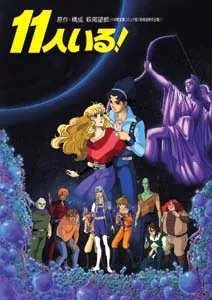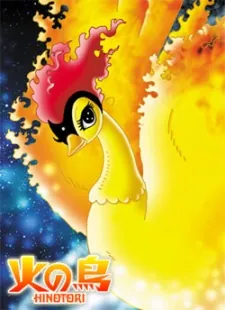
Two people love each other in the void. They drift for years, then decades, then centuries, watching the universe age around them while they stay the same. Tezuka built this story to ask what love costs when time becomes infinite and everything else dies. The animation won't dazzle you. What breaks you is watching two people choose each other again and again across centuries because they have nothing else left. This is the kind of quiet devastation that only works as a single perfect episode, any longer and it becomes philosophy, any shorter and it misses the weight.
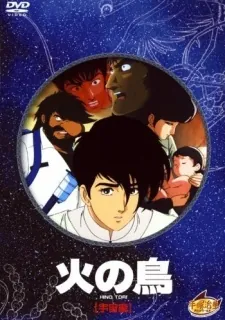
Far in the future, four astronauts learn that their crewmate Makimura has died under strange circumstances, soon after a mysterious note foretold his murder. Their ship is failing, so they abandon it in escape pods and drift through space. Suspicion falls on Kizaki, who was Makimura's rival for Nana Ichinomiya, the only woman on the team. Then the survivors see that Makimura's pod is trailing them, though it never answers their calls. Stranger stories about their lost colleague surface, including one tied to the Phoenix, a legendary bird said to grant eternal life. Adapted from Tezuka Osamu's original story, this single OVA mixes drama, fantasy and science fiction. It is the third installment of the Kadokawa Haruki Office version of The Phoenix, and it dwells on how cruel love can be and on the harm people cause when they chase their desires without heeding the cost.