Your best friend comes back wrong, and you spend twelve episodes watching him disappear while he's still standing right in front of you. The animation doesn't just look beautiful, it becomes the language for grief, each frame holding weight that dialogue can't carry. What the show builds isn't a mystery to solve; it's the specific agony of loving someone you can't save, even when they're still breathing.
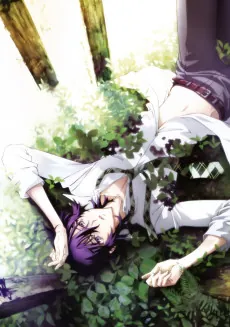
Yoshiki Tsujinaka and Hikaru Indou grew up as inseparable best friends in a rural Japanese village. Six months ago Hikaru vanished in the mountains and came back a week later with no memory of what happened. Yoshiki is sure the boy who returned is not really Hikaru, and when he finally asks, the thing reveals a monstrous true form. It pleads with him to keep the secret, since it does not want to kill him. Despite its unnatural nature, the new Hikaru seems almost innocent, thrilled to feel summer and the countryside through a human body for the first time. Grieving, Yoshiki holds on to him, caring little that he may be a copy built from stolen memories, so long as he stays. Meanwhile, signs mount that something dangerous has come down from the mountains into the village. Across 12 episodes, the 2025 TV series blends horror, mystery and psychological thriller with the supernatural.
WHERE TO WATCH
Streaming The Summer Hikaru Died legally, as of the last catalog refresh. Availability changes by region.
NetflixYouTube