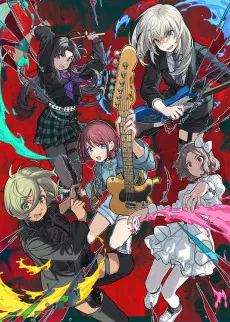
Haneru moves because he can't help it, the show trusts that infectious energy enough to build an entire world around it. The choreography is researched, not stylized; the soundtrack isn't background music but a character itself, and the cast clicks in ways that make you forget this started as a kids' show. By episode ten you're not watching a dance anime anymore, you're watching kids discover who they are through movement, and it hits different every time the camera holds on their faces after they nail something together.
Haneru moves through life with an irrepressible energy that makes every moment rhythmic. A middle schooler who can't help but dance to the pulse of existence itself, he's always been alone in that feeling until he stumbles into an underground dance space where Kanon is perfecting her craft. That first moment of moving together in sync awakens something neither of them knew they were missing: the pure electricity of shared movement, of being understood through motion rather than words. What starts as two dancers discovering each other evolves into something bigger. Haneru and Kanon begin building a crew, recruiting others who feel that same internal beat. But the dance world isn't just about expression and friendship. Rival crews emerge with their own fire and style, turning the underground scene into a proving ground where dancers stake their identities against one another through choreography and competition. This is where passion meets conflict. The show traces how these dancers grow not just as performers but as people, learning what it means to push yourself and your crew toward something greater while facing down opposition that demands you prove your worth on the floor.