A single piece of animation where the music isn't accompaniment, it's the entire reason the images exist. Ishizuka treats the waltz itself as the subject, not decoration around it. The restraint is the point. A seven-minute argument that sometimes the most profound animation happens when a director stops trying to impress you and starts listening instead.
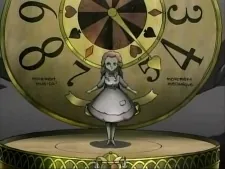
On a night when the moon glows an unusual blue, odd things begin to happen. A small girl wanders what looks like a deep forest, apparently lost, and her restless spirit drifts from one place to the next in the manner of Alice in Wonderland. Along the way she encounters peculiar creatures in a dreamlike world as she looks for true love. The short music piece was Atsuko Ishizuka's first professional animation work at MADHOUSE, and it aired as a segment of NHK's Minna no Uta.