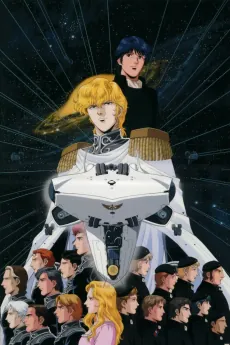
Nobody talks about this one. A single music video from a children's program, lost for decades, surfaces with a song so perfectly formed it feels like it was always supposed to exist, Sumito Tachikawa's composition catches something the moment it's made, and the NHK choir voices wrap around it like they're singing from inside a memory. The visuals don't announce themselves; they sit still and let the music do what it came to do. If you've ever felt a song restructure how you understand quiet, you'll recognize what this is the moment it starts.
A whirlwind of sound and motion unfolds as children's voices blend into a spiraling melody that captures pure, unfiltered joy. Tsumujikaze pairs Sumito Tachikawa's composition with the vocal talent of NHK Tokyo's youth choir, creating a musical moment that feels both intimately crafted and boundlessly energetic. The single episode functions as a visual accompaniment to the song, designed to accompany Japan's beloved children's music program on public television. What makes this piece matter is its status as a lost artifact of early anime history. The original broadcast has vanished into obscurity, surviving only in fragmented memory and scattered recordings. For collectors and archivists, it represents a ghost of television's past: a fleeting creative work that touched audiences and then slipped away. The music itself carries the warmth of its era, a snapshot of how children's programming once married artistic ambition with accessible melody. Viewers drawn to historical oddities, rare media, or the intersection of music and animation will find something genuinely elusive here.