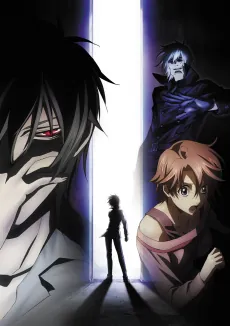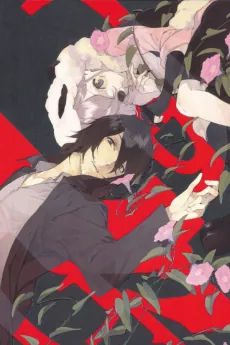
The movie answers the question the series spent eleven episodes dancing around: who is Inga, really, and why does she need Shinjuro. What you think is backstory exposition becomes the entire moral center of the show, reframing every deduction he made before this moment. The dual investigation, the religious cult case running parallel to their origin story, should collapse under its own weight, but instead it uses that tension to ask what it actually costs to dig for truth. You need to have watched the series first. That limitation is real, and it matters. But every fan who comes back to UN-GO after this movie immediately understands why the whole thing matters: it was always about the debt between two people, not the mysteries they solve.
Set alongside the opening episode of the UN-GO television series, this prequel film shows how Yuuki Shinjuurou and his companion Inga first cross paths. As it unfolds, it sheds light on questions the first eleven episodes left open and fills in the complete story of the pair. Mystery and supernatural elements shape the tale, making it a companion piece for viewers who already know the series.