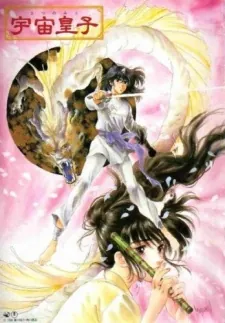
It opens with a mother looking at her newborn's horn, calling him oni, and throwing him away, and that single act sits underneath every frame that follows. The old shugenja woman who picks him up doesn't argue with the world, she reframes him: that horn is where heaven and earth meet. So Miko grows up in the mountains on Shugendo discipline instead of resentment, and when curiosity finally walks him down into the villages, he learns what a civil war actually leaves behind for people with no name and no sword. This is 8th-century Japan as yamabushi austerity and warlord wreckage, not the glossy mythic Japan the late-80s boom usually served up. The real trick is that it refuses to make him either a monster or a messiah. He's a kid with a horn who keeps walking toward the people who are hurting.
During the Jinshin-no-Ran civil war of 762, a baby is born with a small horn on his forehead. His mother denounces him as an oni and abandons him. An elderly shugenja woman takes him in, names him Utsunomiko, and tells him the horn stands for the union of heaven and earth. Growing up in the wilderness, Miko learns the practices of Shugendo, and curiosity soon draws him into nearby villages. There he finds ordinary people living in poverty and misery, and he begins using his spiritual powers to help them. His anger at selfish rulers and their squabbles over power keeps building until he clashes openly with the Imperial Court. That conflict sets him on a long road as a defender of the oppressed in this fantasy adventure film.