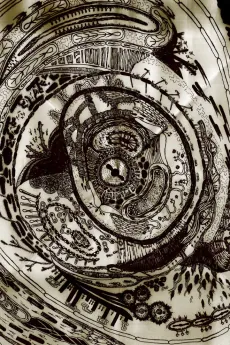
Three years of pencil drawings become something that doesn't move like animation at all, but breathes like a living thing watching you back. The pacing demands patience that most viewers won't give it, but the ones who do find themselves in a mental space they didn't know existed. This isn't a story that happens to characters; it's a visual argument about perception itself, and it changes what you think you're seeing the moment you finish it.
Three years of abstract pencil drawings make up this experimental film, a single feature built entirely from hand-drawn marks. Rather than telling a conventional story, the work sets out to act as a catalyst, aiming to open up a new mental landscape in the people watching it. Viewers drawn to abstract, non-narrative animation will find perception placed ahead of plot here.