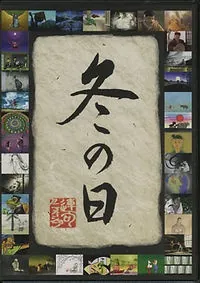
This isn't a story about remembering what was lost. It's a film that watches the earth itself refuse to stay the same, drawn one pencil line at a time across thousands of frames until the landscape becomes a living thing in motion. The animation doesn't serve the narrative, the narrative is the animation, a sustained meditation on impermanence that gets quieter and sharper the longer you sit with it. Most viewers miss it entirely because nothing happens in the way cinema taught us to expect. On a second watch, you stop looking for plot and start seeing what was always there: the real subject is time itself, rendered in graphite and stubborn beauty.
Instead of looking back with longing at a purer, more innocent past, this film sets that sentiment aside. It shows a landscape of mountains and rivers in constant, permanent transformation, landscapes that never settle. Crafted from thousands of pencil drawings, each frame becomes its own landscape, alive and restless. The film abandons nostalgia entirely, choosing instead to sit with the discomfort of permanent transformation. Nothing stays. Nothing returns. What emerges is less narrative and more visual poetry, an intense and beautiful image poem. Viewers who find beauty in impermanence rather than stability will find something here.