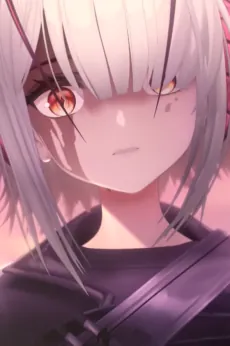
W is hunting people who were just trying to survive. That's the entire moral weight of this thing compressed into one unstoppable vendetta. You watch her chase down soldiers and mercenaries who had nothing to do with Theresa's death, who were moving cargo and following orders, and the show doesn't flinch from asking whether her rage makes sense anymore. It's a story about what revenge costs when the people you're killing are as trapped as you are. The animation is sharp enough to hurt, but it's the writing that actually breaks something in you.
Theresa has been assassinated and the Tower of Babel has fallen. The nameless soldiers who carried out the core of the killing are already dead, but W's fury still burns. Next on her list is a band of Sarkaz mercenaries who aided the operation from outside, now escorting a mysterious cargo as they run for the border. This single-episode action fantasy ONA recalls a memory W has never shared, one that captures how the Sarkaz endure their long war: those who suffer take up the blades of the ones who hurt them, and the cycle carries on.
WHERE TO WATCH
Streaming Arknights - The Daggers' Inheritors legally, as of the last catalog refresh. Availability changes by region.
Bilibili