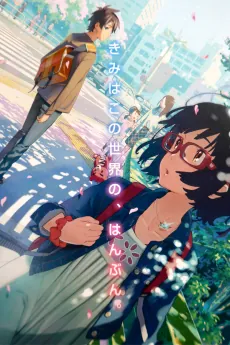
A music video that moves like it's never heard of standing still. Waboku's direction pulls you into each frame with color and motion that feel less like accompaniment to the song and more like the song made visible. Eve's vocals cut through with the kind of personality that makes you rewind before it's over. The narrative is thin, it's a three-minute moment, not a story, but that's the point. A kid recognizes something in a stranger's eyes and that recognition is enough. It costs nothing but your attention, and it demands all of it.
A music video set to As You Like It, an original song by Eve sung by Hatsune Miku, with direction and animation by Waboku. Eve also released his own cover of the song over the same animation on November 29, 2017, and his cover video appeared on the CD+DVD edition of his album Bunka, issued that December through his own label, harapeco records. The single short carries Psychological and Romance genre labels.
WHERE TO WATCH
Streaming As You Like It legally, as of the last catalog refresh. Availability changes by region.
YouTube