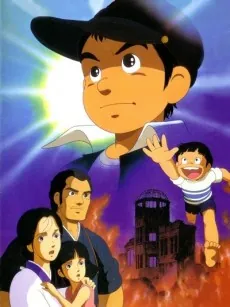
A boy tries to keep his family alive in the weeks before the bomb falls on Hiroshima, and the film treats his hunger and exhaustion as seriously as any tragedy. The atomic blast itself hits like nothing else on film, not stylized, not distant, just the immediate obliteration of everything and everyone he knows. What makes it unbearable is that it doesn't end there; it shows you what comes after, the slow burn of radiation sickness and desperation in a city turned to ash, told through the eyes of a kid who has to keep moving because his mother and brother still need him.
In Hiroshima in the summer of 1945, Gen Nakaoka is a bold, free-spirited boy getting by with his family amid wartime shortages. Food is so scarce that malnutrition threatens his pregnant mother, and Gen and his younger brother Shinji help their parents at work to keep the household going. Other Japanese cities have been fire-bombed while Hiroshima has oddly been spared, and the family hopes the war will end soon with their city intact. They have no idea that the US plans to drop an atomic bomb on Hiroshima, and on August 6 their lives are about to change forever. A wartime drama film.
WHERE TO WATCH
Streaming Barefoot Gen legally, as of the last catalog refresh. Availability changes by region.
RetroCrush