You watch a girl choose her brother over her reputation, and the movie doesn't make it dramatic or noble, it just lets you see what that costs, day by day. The cruelty comes from kids who don't understand, not from villains, which makes it sharper. By the end, you're not thinking about disability or acceptance as ideas; you're thinking about Mai holding Dai-Chan up, smiling back at him, because that's what love actually looks like when nobody's watching.
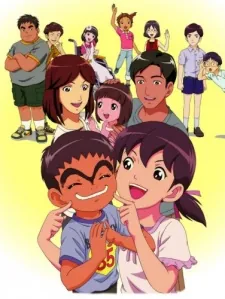
Mai is in elementary school, and her older brother Dai-chan is completely deaf and attends a school for disabled children. Although he is older, he acts more like a little brother, always smiling and asking Mai to lift him up. When her school and his begin interacting, Mai's classmates tease her and draw a mocking picture of Dai-chan on the blackboard, leaving her shocked and hurt. At the same time their mother becomes ill, so Dai-chan is to be sent to an institution for disabled children. Mai wants to look after him herself and tries to prevent it. The drama is a slice-of-life film about family love and the bond between siblings.