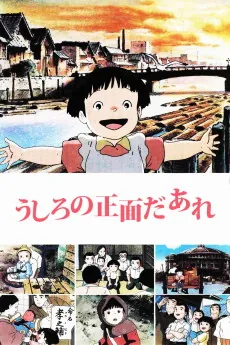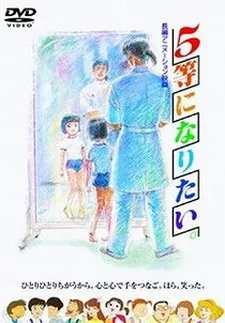
A girl with a bad leg tries to smile through cruelty she didn't deserve and a mother's fear disguised as protection. The movie doesn't perform sadness for you, it sits with Ritsuko's small choices, the ones that take everything she has, and lets you see why keeping that smile costs more than anyone watching could know. By the end, you're not rooting for her to walk differently. You're rooting for her to stay herself.
Born with a condition that affects how she walks, Ritsuko carries a simple wish: to attend school like any other child and make plenty of friends. That turns out to be harder than she hoped. Her mother keeps a close, protective watch over her, and at school her classmates tease her for the unusual way she walks. The film is a drama and slice of life story about a girl facing ridicule for being different. Ritsuko's smile becomes a question mark: can she hold on to it?