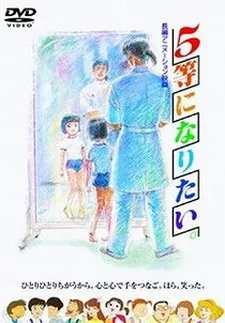
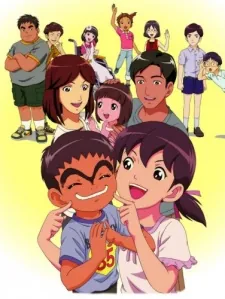
Nobody talks about this one. A mother and father learn their daughter will never be like her twin brother, and the film simply watches them decide to love her anyway, day after day, song after song. The art is thin and the voice acting wavers, but the script cuts straight through: disability isn't a tragedy to overcome. It's a life to actually live. By the end, "The Song of Frogs" stops being background noise and becomes the only thing that matters. You will cry. Not because the film manipulates you into it, but because you've spent forty minutes inside a family that chose acceptance over despair, and that choice is rarer and braver than any hero's journey.
Momoko wakes each morning frustrated by the life she cannot live. Mentally and physically disabled, she attends a special school while her twin brother Riki goes to an ordinary one. Being kept apart from him puts her in a bad mood each day, and her family calms her by singing her favorite tune, The Song of Frogs. When Momoko cheers Riki on during a dodgeball game at his school's open classroom day, his team wins, but a boy from the losing side insults her and Riki lashes out at him. The next year, a trial of integrated education lets Momoko join her brother's school. The film is a quiet drama about one family and a disabled child's place among her brother's classmates.