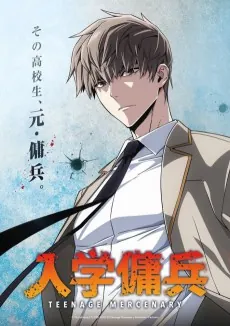
A kid walks back into the school that killed his brother with nothing but a year of rage compressed into his chest. He's not a hero, not a martial arts prodigy, not even angry in a way that feels clean. He's a brother who has to live with the people who destroyed his family, and that proximity, that suffocation, is what the show actually is. Every fight is personal because every person in that hallway is complicit in something. The weight doesn't lift when he wins.
A year has passed since Kang Hu's suicide, and his younger brother returns to the school where it happened. Carrying the weight of unspoken rage, he walks the halls as a ghost among the students who watched their classmate destroyed by relentless cruelty. The delinquent group responsible still operates unchecked, their power entrenched in the school's hierarchy, their violence normalized. Instead of grieving openly, Kang Hu's brother becomes something else entirely: a methodical force of vengeance. He infiltrates their world, learns their rhythms, exposes their crimes. But revenge demands a cost, and as he tears down the system that enabled the bullying, he discovers that justice and destruction are not the same thing. The students around him are not simply villains or victims. They are all caught in the same broken machinery. This is a story about grief transformed into action, about dismantling cruelty from within, and the question of whether destroying the guilty also destroys the person doing the destroying.