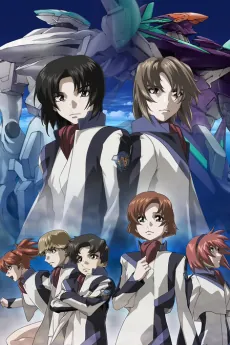
Exodus doesn't ease you back in, it hands you a roster of kids you're about to lose and dares you to learn their names anyway. This is the show where piloting a Fafner is a slow death sentence, where the assimilation cost eats eyes, limbs and years off a life, and where nobody gets to be a hero without paying in installments. Kazuki and Soushi carry a decade of unfinished sentences between them, and the new pilots on Tatsumiya Island inherit that weight before they're old enough to understand it. The Festum still ask "Are you there?" and it still lands like a knife, because in this franchise the answer is never simple and the ones who say yes rarely come back whole. Add angela scoring the whole thing like a funeral you can hum, and the gut-punch reputation is fully earned. Deceptively small island, absurdly heavy grief.
In 2150 AD, humanity's war with the silicon-based Festum from outer space enters a new phase. Pieces of the North Pole Mir have spread around the world and begun acting independently as separate Mirs. Most of them are hostile to people and attack, but a few choose to live alongside mankind. Among humans, too, there are some who share that outlook, beings who are both human and Festum, and their presence adds to the turmoil of the fighting and stirs up even deeper hatred. A drama-focused mecha sci-fi series, it continues Soukyuu no Fafner: Dead Aggressor and takes place two years after Heaven and Earth.
WHERE TO WATCH
Streaming Fafner Exodus legally, as of the last catalog refresh. Availability changes by region.
CrunchyrollYouTube