Kazuki and the Tatsumiya pilots have already paid for their victory once. This is what it costs to defend the same ground twice, when the aliens come back and everyone you saved is still standing there, older and more broken. The movie doesn't waste time on exposition for newcomers; it trusts you know these people, and spends every minute on what matters: watching them choose the same sacrifice again, knowing exactly what they're losing this time.
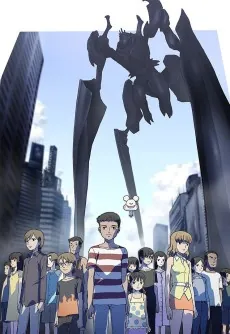
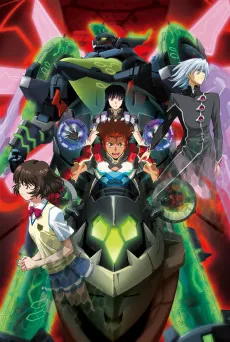
In 2148, two years after Kazuki and his fellow pilots fought off the Festum, Tatsumiya Island and its survivors have begun to recover. Kazuki, now nearly blind and partly crippled from those battles, holds on to his fallen friend Soushi's promise to come back to the island. One night an unmanned submarine drifts into the bay carrying a single sleeping boy. He is not Soushi but a mysterious figure named Misao Kurusu, who may not be fully human and says Soushi sent him. His arrival reignites fighting between the Human Army and the Festum, and the Fafner pilots are drawn into a battle where the futures of two races are at stake. The film is a mecha science fiction drama that continues the Fafner in the Azure TV series.
WHERE TO WATCH
Streaming Fafner: Heaven and Earth legally, as of the last catalog refresh. Availability changes by region.
Crunchyroll