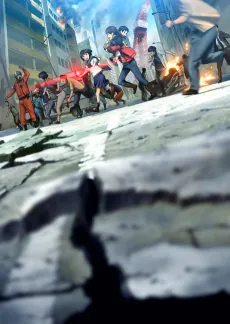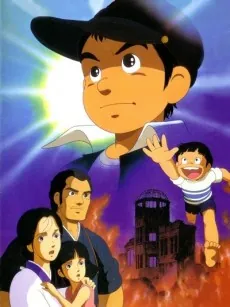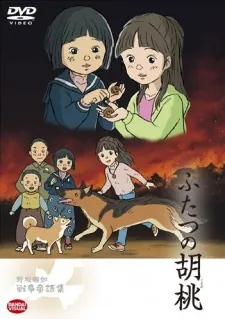
A twelve-year-old gets ripped out of her time and dropped into the firebombing of Tokyo with no explanation, no safety net, no way home. The special doesn't flinch from what that actually means: watching a child process unimaginable loss in real-time, alone in the dark. It's a single episode that does more with trauma and helplessness than most full series manage, grounded in a specific historical catastrophe that refuses to become abstract or thematic.
Twelve-year-old Ayaka is sent back through time and lands in Tokyo in 1945, in the middle of the firebombing of the city. Cut off from everything she knows, she has to find her way in a strange and unfamiliar place, and the story follows what she goes through there. The one-episode drama special from 2007 is the sixth entry in Shin-Ei's Sensou Douwa, a yearly run of television films for children built around World War II.