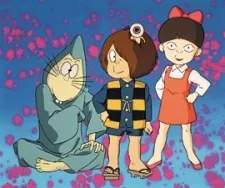
A skeletal boy born in a graveyard doesn't ask for existential dread, he just walks into it, and somehow finds companions along the way. This is where every ghost story in Kitarou's world begins, and the show treats that origin with the weight it deserves. The 1988 animation gives it a textured darkness that modern remakes smooth away, making every encounter with yokai feel like stumbling into folklore that hasn't been sanitized yet. You're not watching a hero's journey, you're watching a kid figure out that his whole world runs on rules nobody taught him. By episode seven, Kitarou stops being a character and becomes the gateway to everything weird and wrong that lurks beneath Japan's surface.
Gegege no Kitarou: Jigoku-hen is a seven-episode TV series from 1988 centered on the origins of Kitarou. The story looks back at where its title character comes from, mixing supernatural horror and fantasy adventure with comedy. Eerie moments sit alongside lighter humor, so the dread never fully crowds out the fun.