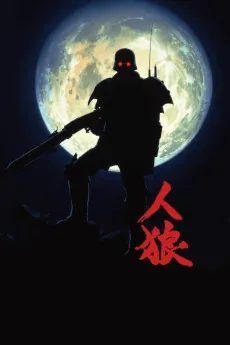
The film refuses to move at the pace you expect, letting long silences ask the questions that matter: what makes you you when your body is synthetic and your brain is a network. Motoko is a ghost in a shell searching for another ghost in a machine, and the philosophical weight of that collision is the only plot that actually matters. The pacing will lose half its audience before the second act; the ones who stay will be rewriting their understanding of consciousness for years.
In 2029, cybernetics have advanced so far in Niihama City that people routinely swap their limbs for robotic parts. Major Motoko Kusanagi of Public Security Section 9 leads the investigation into the Puppet Master, a mysterious hacker able to infiltrate human hosts who leaves victims robbed of their memories. As she and her subordinates follow the trail, other groups such as Section 6 become involved and the case grows far more complicated. Along the way Kusanagi begins questioning the meaning of her own life, and she comes to believe the Puppet Master holds the answers. The film pairs action with psychological, philosophical science fiction.
WHERE TO WATCH
Streaming Ghost in the Shell legally, as of the last catalog refresh. Availability changes by region.
NetflixYouTubeCriterion Channel