Anime Like Hato no Uta
MUSIC · 1 eps · 2 min/ep · Original · G - All Ages
MAL 5.29/10 · 273 members
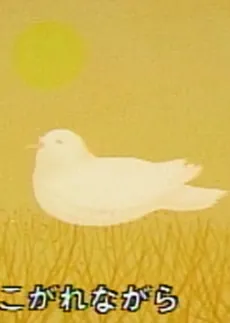
A single song written when kids were dying, meant to reach someone at their lowest point. The dove that can't fly isn't a metaphor here, it's a direct answer to a generation's broken wings. Thirty-eight years later, the music still finds the exact person who needs to hear it.
A dove that has lost its way in love wanders the streets with an injured wing, still chasing a dream. Hato no Uta is a single-episode music piece whose song was meant to encourage junior high school students. When it first aired in 1986, suicides among students were rising, and some people called these young people broken wings. The lyrics aim to soothe the wounded hearts of adolescents.
TAGS
MusicKids
// WATCH.NEXT
IF YOU LOVED HATO NO UTA, WATCH THESE NEXT



not sure what you're in the mood for? browse 40 house lineups.


