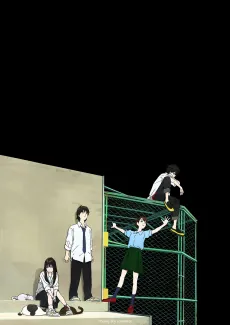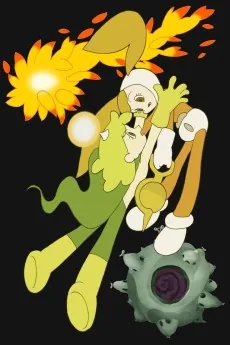
A man wakes up with no memories in a world where bodies are disposable but minds are currency, and what starts as a mystery about his past becomes a meditation on what makes you actually you. The animation looks like someone let a surrealist paint a sci-fi story, every frame builds the world through pure visual language instead of exposition. By the end you realize the show spent twelve episodes answering one devastating question: if you could live forever in a new body, would you still be yourself, and would it matter?
A man wakes up in a ruined room with no memories and only a pendant holding the picture of a woman he does not recognize. This is Kaiba's only clue to who he was. In this world, memories are stored apart from the body: they can be viewed, stolen, altered and moved into new bodies, so physical death is no longer the end. The wealthy use this to live on in chosen bodies, while the poor often sell their own bodies to get by. After a sudden attack, Kaiba flees into space and travels across different planets. A storm-laden cloud layer that wipes the memories of anyone crossing it divides the world. Below lies a dangerous underworld where good bodies and real money are scarce. Above sits the realm of the rich and powerful, who trade in other people's bodies and memories. Along the way Kaiba meets many people and slowly recovers his past, troubled by the state of the world and by his own existence, as he searches for the truth about the woman in the pendant, Neiro. The sci-fi mystery with a strong romantic thread raises questions about what makes a person who they are when memory can be rewritten.
WHERE TO WATCH
Streaming Kaiba legally, as of the last catalog refresh. Availability changes by region.
CrunchyrollAmazon Prime VideoTubi TV