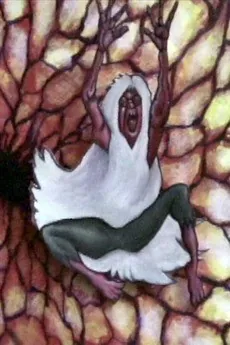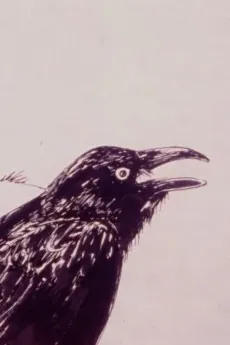
The horror here isn't visceral, it's atmospheric dread built from stillness, from the way a crow watches you in a Kyoto alley, from frames that linger too long on emptiness. You sit with discomfort instead of jumping at it. The film knows that real fear lives in what you can't quite see, in the space between moments, in the weight of a city that feels like it's waiting for something to happen. This is horror for people who understand that the most disturbing things are the ones that don't announce themselves.
A murder in Kyoto draws a detective into something far darker than a simple crime. As he investigates the victim's final moments, crows circle overhead with unnatural persistence, their presence growing more oppressive with each discovery. The ancient streets of Kyoto become a maze of shadow and silence, where traditional beauty masks something rotten beneath. What begins as a straightforward case unravels into something genuinely unsettling. The line between the natural and supernatural blurs as the detective realizes the crows aren't merely scavengers,they're witnesses, or perhaps something worse. Every frame tightens the noose, using Kyoto's iconic temples and narrow alleyways to create a suffocating sense of dread. This is horror that works through atmosphere rather than jump scares. The film trusts your unease to build slowly, layering mundane details against creeping wrongness until you can't shake the feeling that something ancient and hungry watches from above. Perfect for viewers who appreciate slow-burn terror and the kind of dread that lingers long after the credits roll.