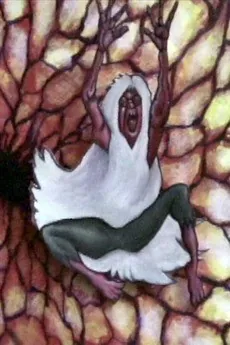
Nobody talks about this one. That needs to stop. Ujicha's early gekimation doesn't just scare you, it makes you question what you're actually looking at, the image itself becoming hostile and wrong in ways that digital horror can't touch. This is horror made from decay and transformation at the frame level, a film that understands fear lives in the uncertainty of what your eyes are processing, not in jump scares or narrative dread. If you've seen his later work, this is where that visual violence started. If you haven't, you're watching the birth of something that still hasn't been replicated.
Space Yokai War is an early horror film by the Japanese filmmaker Ujicha, made using gekimation. The movie is a single standalone work rather than a series, and it comes from the early part of his output in this animation technique.
WHERE TO WATCH
Streaming Space Yokai War legally, as of the last catalog refresh. Availability changes by region.
YouTube