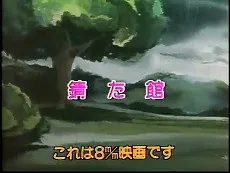
A single night in an old house becomes a slow descent into wrongness that never announces itself as scary. The animation moves like something half-remembered, like watching a nightmare you can't quite wake from. This is horror that trusts silence and suggestion over spectacle, built by animators working outside the studio system who understood that the most disturbing thing is not what you see, but what the image makes you feel before you understand why. It costs patience, but if you give it that, it stays with you.
A mansion looms in the darkness, its corridors empty and decaying. When a group of people arrives seeking shelter, they discover the house itself harbors something sinister. As night falls, reality begins to fracture. Shadows move independently from their sources. Doors lead to impossible spaces. The residents find themselves trapped in a nightmare where the building's rules supersede logic and escape becomes increasingly uncertain. This is horror stripped down to its essentials: atmosphere, dread, and the creeping realization that no explanation will make sense. The animation style amplifies the unease, with its deliberately crude, unsettling visuals creating something more disturbing than polish ever could. Walls breathe. Perspectives twist. What you see doesn't always obey the laws of geometry. For viewers drawn to psychological horror that prioritizes mood over jump scares, that trusts silence and suggestion over exposition, Sabita Yakata offers something genuinely uncomfortable. It's a film that lingers precisely because it refuses to explain itself, leaving you with the peculiar dread of having witnessed something that shouldn't exist.