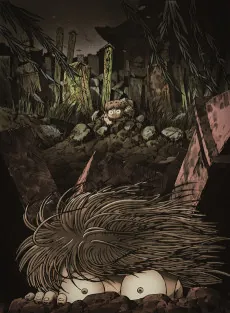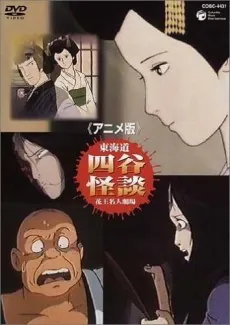
Three separate ghosts, three separate vengeances, three different ways the past refuses to stay buried. Each arc plays by its own rules, the first two feel like watching old kabuki through a modern lens, all restraint and slow-burn dread, while Bakeneko abandons subtlety entirely and becomes something feral and unstoppable. The show respects the source material enough to let these stories breathe at their own pace, which means the weakest arcs still feel like they matter, but by the time the cat arc hits, you're watching horror stripped down to pure predatory rage.
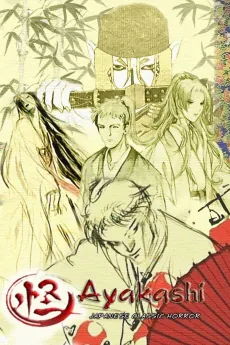
Three classic Japanese horror stories make up this eleven-episode anthology from the Noitamina late-night block. In the first, a retelling of Yotsuya Kaidan, the samurai Tamiya Iemon tires of living poor with his lovely wife Oiwa and plots her murder when a wealthy marriage is offered, and her betrayal drives a vengeance that outlasts death. The second, drawn from an Izumi Kyouka play, sends the falconer Himekawa Zushonosuke to fetch a falcon from a castle said to be haunted, where a forbidden love between a goddess and a human unfolds. The third, an original tale set in the Edo period, has a wandering medicine seller investigate a samurai daughter's sudden death before her wedding. He blames a cat spirit, and to defeat it he must learn its form, truth and reason, uncovering the family's dark secrets along the way.