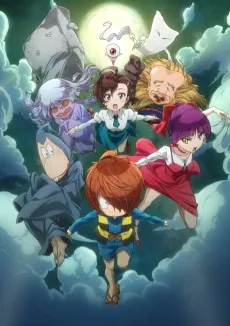
Mana writes a letter to a forgotten post office, and Kitaro shows up with answers that hit different because they're real, every yokai story is actually about what adults have stopped seeing in each other, about cruelty dressed up as normal, about how easy it is to become the monster. The show moves between comedy and genuine heartbreak without flinching, building episodic cases into something that feels like watching a kid solve problems the rest of the world refuses to acknowledge. It takes yokai folklore seriously as a language for talking about loneliness, abuse, and how the internet has made us meaner, not as metaphor, but as diagnosis. The first stretch feels built for younger viewers, but push past it. By the arc episodes, this show is operating at the level of Mob Psycho, and it earns every moment where you realize you're crying about a ghost story.
Almost two decades into the 21st century, humans no longer remember that yokai exist. Then a wave of strange, inexplicable events leaves adults across the human world confused and in chaos. Looking for an explanation, thirteen-year-old Mana sends a letter to the Yokai Post, and the one who answers her is Kitaro. The show mixes comedy with horror and supernatural elements.
WHERE TO WATCH
Streaming GeGeGe no Kitaro legally, as of the last catalog refresh. Availability changes by region.
CrunchyrollTubi TV