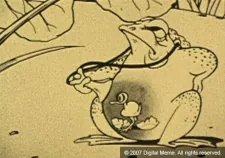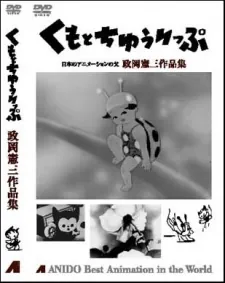
A spider builds his trap with patient precision, convinced of his own cleverness. The ladybug slips away. Then the storm arrives, and everything the spider believed about his own mastery collapses in minutes. This is a film about the illusion of control, told entirely through what bodies do when they stop being in charge. Wartime Japan made this small thing, and it survives because it doesn't need dialogue or moral lectures, just the weight of rain on a web that was supposed to matter.
A spider sets out to lure a ladybug into his web. She manages to escape and takes shelter inside a tulip. Then a storm arrives, and while the weather pounds the spider, the ladybug stays safe within the flower. This 1943 film tells a simple tale of predator and prey, where the one who seemed to hold the advantage ends up exposed to the storm.