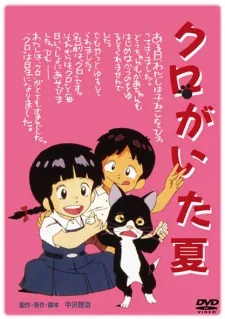
A girl feeds a cat during a famine. That single act of defiance becomes the whole story, not because the cat matters, but because choosing to love something when you have nothing left is the only resistance that survives war. The film doesn't build to tragedy; it sits quietly inside it, watching a child's small kindness become proof that the world didn't completely break yet. By the end, you're not mourning the cat. You're mourning the girl's capacity to care in a time designed to destroy it.
In Hiroshima in the summer of 1945, a young girl named Nobuko rescues a starving black kitten from a group of crows and carries it home. Food is scarce, and her parents are against keeping a pet at first, but Nobuko wins them over. She and her brother Makoto call the cat Kuro, and the kitten soon fills the household with laughter and happiness. Nobuko's care for Kuro shows a child's compassion in hard circumstances. As the war drags on and conditions worsen, looking after Kuro becomes more difficult, and the family's happy days seem unlikely to last. The bond between girl and cat sits at the heart of a wartime drama film.