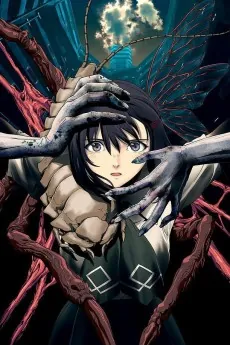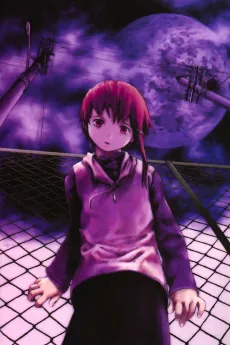
The first season broke you with a mother's panic before you understood what you were panicking about. Season 2 inherits that asymmetry of terror, where knowledge arrives too late and in pieces. Ryoka is still trying to survive on fragmented information, still reading her mother's fear in the spaces between messages. The horror here isn't the creature, it's watching someone you love know more than they can tell you, and having to act anyway.
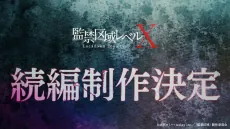
This second season picks up the horror mystery Lockdown Zone: Level X, a short-format series running six episodes. The first season began with Ryoka waking to a barrage of panicked texts from her mother. Her mother was plainly worried for her safety but refused to explain why, claiming nothing could describe what was happening. The world might be ending, and a huge new life-form might be sitting on the roof of their apartment building.