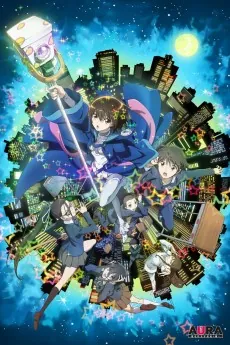
The core of this is a retelling that centers Rikka's interior world instead of Yuuta's perspective. That shift matters. A film that takes the romantic lead's delusion seriously, that lets you live inside her logic instead of laughing at it from outside, transforms the whole emotional weight of the story. You stop watching a normal boy navigate a weird girl. You start understanding why her fantasy matters to her, what it's protecting, what it costs to step out of it. The comedy doesn't vanish, but it stops being at her expense. That changes everything about whether you actually care when the romance lands. It's a film built for people who watched the original and realized they were rooting for Rikka all along.
Rikka Takanashi and Yuuta set out to find a new apartment for her to live in, and that search frames a retelling of the first season told from Rikka's point of view. Flashbacks revisit earlier events alongside new material, and the film sits between the first and second seasons. The mix is comedy, drama, romance and slice of life.