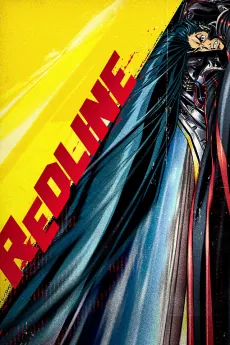
Fujiko stops being the prize and becomes the one holding all the cards. Takeshi Koike's animation moves like liquid chrome, every frame a heist waiting to happen. The plot twists back on itself enough to make you wonder which version of Fujiko is real, if any of them are, and why it stops mattering by the end anyway. This is what happens when the Lupin franchise finally trusts its most dangerous character enough to let her lie to you straight-faced.
Fujiko Mine lives in a remote desert house, helping a man named Randy look after his frail son Gene. The setup looks like domestic bliss, but nothing about Fujiko's presence is innocent. Randy has embezzled a fortune from a mining company, and Fujiko's reasons for playing nurse are never quite clear. When the company sends a strange assassin to kill Randy, Fujiko honors Randy's request to keep Gene safe and goes to great lengths for the boy. Yet even her most selfless moments carry questions attached. Gene knows where his father's stolen money is hidden and refuses to reveal it until he has avenged him. The hired killer has an odd power to bend a person's will, and he sets his sights on the boy. Takeshi Koike's action adventure film keeps asking which of Fujiko's choices are genuine and which are lies.