Anime Like Mahou no Pen
魔法のペン
MOVIE · 1 eps · 11 min/ep · Original · G - All Ages
AniList 43/100 · MAL 5.18/10 · Ranked #14,240 · 709 members
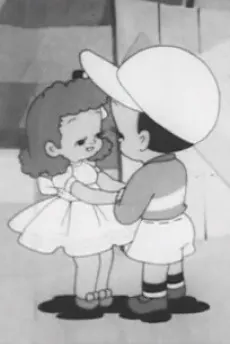
A boy finds a magic pen in the rubble and draws his world into something bearable. The doll that emerges from broken porcelain doesn't save him from war, she just sits beside him while he rebuilds, one sketch at a time. This is propaganda, yes, but it's propaganda that understands loneliness first and ideology second.
A boy living in a grim, war-damaged world fixes a western-style doll, and the doll comes to life. A magic pen is then used to remake his bleak surroundings into a cheerful place modeled on western civilization. The film was made as propaganda during the western occupation, and its story of rebuilding carries that purpose.
TAGS
HistoricalAchromaticPrimarily Child Cast
// WATCH.NEXT
IF YOU LOVED MAHOU NO PEN, WATCH THESE NEXT




not sure what you're in the mood for? browse 40 house lineups.


