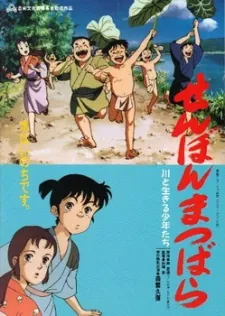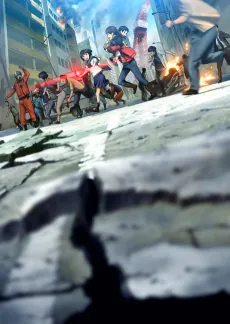
A mayor in 1970s Japan spends decades fighting bureaucracy and village skepticism to build a wall nobody thinks they need, then watches it save thousands of lives. The film doesn't dramatize this, it lets the quiet persistence and the eventual vindication speak for themselves. This is what preparation actually looks like: unglamorous, exhausting, and absolutely necessary. Most disaster narratives are about surviving the moment. This one is about the person who saw the moment coming and refused to let it win.
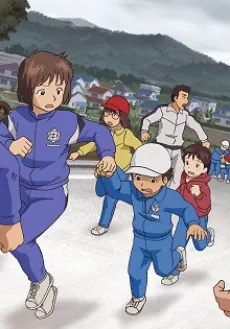
In Fudai, a village in Iwate prefecture, Mayor Kotoku Wamura spends the 1970s and 1980s trying to convince the village assembly that his plan for a floodgate and seawall is worth building. He recalls the Sanriku earthquakes and tsunamis of 1896 and 1933 as he makes his case. The 15.5-meter floodgate, the tallest in Tohoku, later keeps Fudai safe from the 2011 tsunami that damages other coastal towns. A second part follows elementary school children in Kamaishi City during the 2011 disaster, who put their readiness lessons into action by heading for higher ground. The children pass on the local custom of Tsunami Tendenko, in which each person flees uphill on their own, to their parents. Made by The Tohoku Regional Development Association to raise earthquake awareness, the drama film draws on true stories.