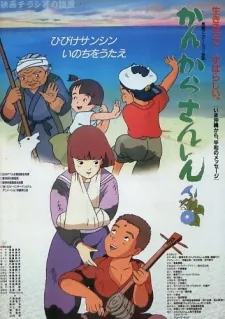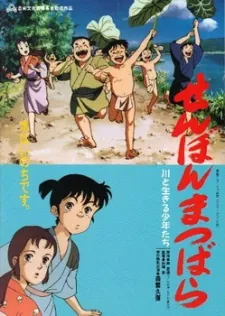
This is a film about men ordered to build something that will outlive them, knowing the government sent them to die doing it. The Satsuma workers aren't heroes solving a problem, they're conscripts swallowing humiliation while their hands do the work anyway. It's a quiet movie about the kind of resistance that looks like just showing up, and the anger that festers when a system treats your sacrifice like debt instead of service.
In 1753, severe floods devastate Senbon Matsubara in Shizuoka, and its people are left determined to prevent another disaster. They join together on flood control work along three rivers: the Kiso, the Nagara and the Yuhi. The central government compels people from Satsuma to carry out the labor, and they suffer terrible hardship under that burden. This historical drama film shows the human cost of the project and hints at the resentment toward central authority that would grow into open rebellion a century later.