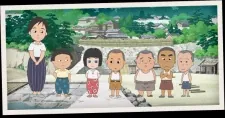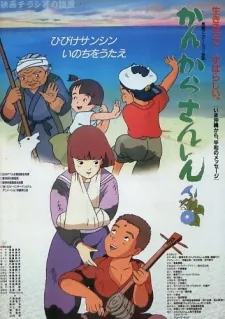
The Battle of Okinawa destroyed everything, and the film refuses to look away from what comes after. This is not a war movie about heroism or strategy, it's a portrait of a people systematically erased from their own island, forced to survive on scraps in the wreckage. The score carries what words cannot, turning devastation into something unbearable. A 1989 film that treats the aftermath of war as the real war: slower, quieter, and infinitely heavier than any combat sequence could be. This costs something to watch.
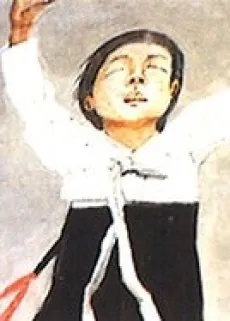
In the shadow of World War II's Pacific campaign, Okinawa lies in ruins. The island has endured relentless bombardment and brutal combat, leaving its people with almost nothing of value. Survival itself becomes a daily struggle as the Okinawan community faces severe shortages under American military control after the war. Yet something unexpected emerges from the devastation. Song and dance lift the islanders' spirits and help them cope with their hardship. The fighting has left the sanshin, a traditional Okinawan instrument that came before the Japanese shamisen, scarce. Among the supplies the Americans hand out to hold off starvation are cans of powdered milk, and from those cans the people find a way to restore music to the island. This drama film captures a moment when a community holds on to its spirit even after losing nearly everything material.