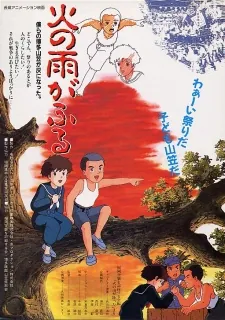
Anime Like Hi no Ame ga Furu
火の雨がふる
1988 · MOVIE · 1 eps · 80 min/ep · G - All Ages
AniList 57/100 · MAL 7.06/10 · Ranked #4,558 · 2,272 members
Drama
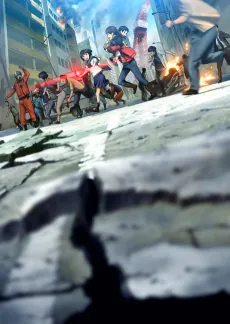
The film strips war down to its smallest, most unbearable unit: a city full of ordinary people waiting for death they can see coming. There is no heroism here, no resistance, no narrative that lets you feel better about what happened. You watch civilians burn alive in real time, and the movie refuses to look away or soften what that means.
Fukuoka, June 1945. On the evening of June 19, the city is fire-bombed, and this anti-war drama returns to that night. The film draws on a book that gathers accounts written by people at the time, presenting the attack through the testimony of those who lived through it rather than as distant history.
TAGS
HistoricalWar
// WATCH.NEXT
IF YOU LOVED HI NO AME GA FURU, WATCH THESE NEXT



there's a lineup for this: dark anime that goes places most shows won't, 20 picks.