This is not a story that will comfort you. It is four women remembering what was taken from them, speaking directly to the camera in their own voices, refusing to let their suffering become historical abstraction. The film does not dramatize their testimony, it lets them sit with their own silence, their own rage, the weight of decades spent trying to reclaim something that was stolen. You will understand, watching this, why some stories refuse to be cinema. By the end, you are not mourning characters. You are mourning people who are still alive, still carrying this.
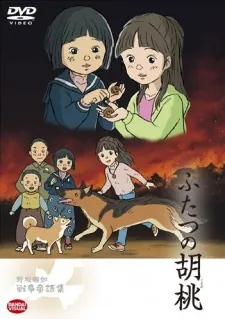
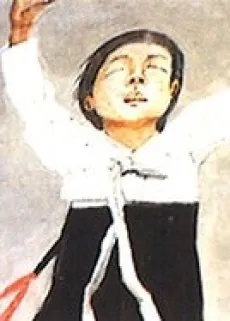
This animated documentary film covers the lives of Korean women who were forced into sexual slavery for Japanese soldiers during World War II, the women known as comfort women. A drama at heart, the film looks directly at this wartime exploitation and at the women who endured it. The subject matter is heavy and does not make for comfortable viewing.