A six-year-old girl burned by atomic fire begs her mother for water. The Jizo statue she was playing with moments before transforms into something grieving, weeping for her. Stop-motion renders this not as spectacle but as the most intimate devastation possible, a stone guardian that can only cry alongside a child it cannot save. This is not a film about war's scale. It is about what one small body endures, and what a statue does when love is the only power it has left.
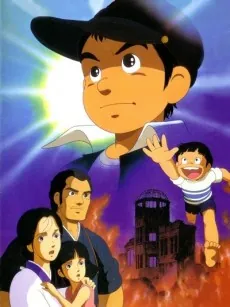
In Hiroshima, a six-year-old girl named Hiro-chan is playing with a local laughing Jizo statue when the atomic bomb falls and leaves her burned. Crying out for her mother, she begs for water. Suddenly the statue's face turns angry and tears flow from its eyes, and Hiro-chan is able to drink them. Adapted from a book of the same name, this stop-motion drama film depicts the atomic bombing of Hiroshima.