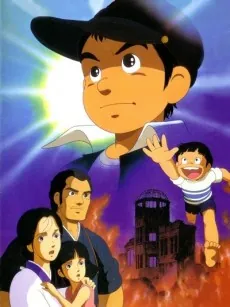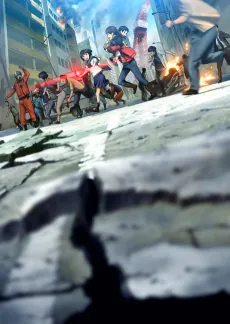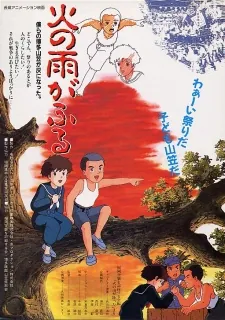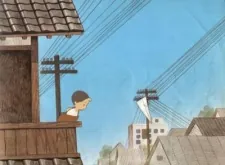
The flash is brighter than the sun. The sound comes after. What comes after that is the entire weight of a city learning it still exists. Pika Don refuses to look away from the ordinary people in ordinary moments before everything stops, then shows you what stops means in nine minutes that feel like they rewire your brain. Animation wasn't supposed to carry this kind of weight, this kind of realness. It does here because the filmmakers understood that the most devastating image isn't the explosion, it's the shadow burned into concrete where someone was standing.
Hiroshima, August 6th, 1945. In an instant, everything changes. A blinding light floods the sky, far brighter than the sun. Right after, an enormous shock wave follows. The title names those two moments: pika for the flash, don for the blast. Pika Don is a short animated documentary about the tragic aftermath of the atomic bombing of Hiroshima. When it was finished, it was the first attempt anywhere to treat this sensitive subject through animation. The film led the City of Hiroshima to found the Hiroshima International Animation Festival in 1984, recognizing animation as a powerful art form.