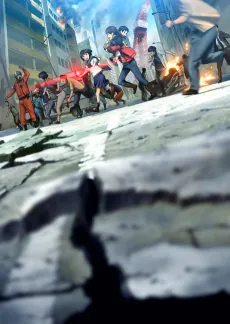
A doctor watches his city turn to ash while his hands are still full of patients who need saving. The film doesn't flinch from the specific horror: not the bomb itself, but the moment after, when a man realizes he has no morphine left and the next person through the door will die in pain anyway. It refuses to let you experience this as history or spectacle, only as the unbearable weight of choices that were never really choices at all.
August 1945 finds Dr. Tatsuichiro Akizuki, the lone physician on duty at Urakami Hospital, caring for patients in a former seminary near Urakami Cathedral on the edge of Nagasaki. Though Buddhist, he has earned the affection of the local Catholic community through his sincerity and modesty. Troubling reports reach the staff about a new kind of bomb dropped on Hiroshima. On August 9, a second bomb explodes over Nagasaki, leveling the city and toppling the cathedral's Angelus Bells into the rubble. Akizuki and the other survivors keep treating the wounded through terrible hardship and despair, sustained by the belief that the bells will one day ring again over a reborn city. The film is a historical drama about endurance and compassion amid catastrophe.