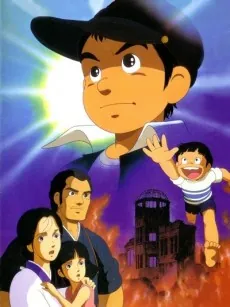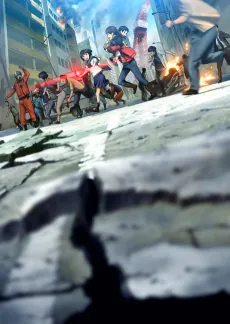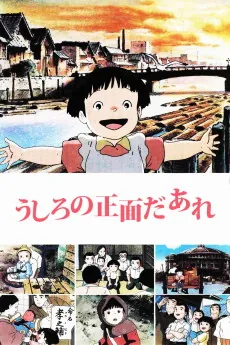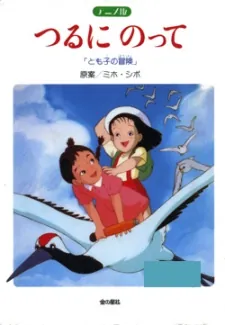
A girl meets a ghost at a memorial and learns what it means to carry weight that isn't yours to carry. Sadako doesn't haunt, she witnesses. The film moves through Hiroshima's aftermath with the precision of someone who understands that some stories don't need spectacle, just presence. By the end, you're not crying because the animation is beautiful or the score swells. You're crying because a child tried to fold a thousand paper cranes while her body was already failing, and another child finally understands why that matters. This is a film made for people who need to sit with difficult things instead of looking away from them.
Tomoko, a young girl, visits the Hiroshima Peace Memorial and has a mysterious encounter there with Sadako. Sadako was two years old when the United States dropped the atomic bomb on Hiroshima during the Second World War, and she died at eleven from radiation poisoning. Sadako leads Tomoko on a journey that opens her eyes. The 1993 film is a drama.