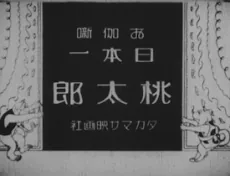
This is a 1945 propaganda film. That context matters before anything else. What you're actually watching is state machinery using folklore and musical numbers to sell a war that Japan was already losing. The "liberation" framing is historically false, the animals singing AIUEO is surreal enough to crack the propaganda apart from the inside, and treating it as historical artifact rather than entertainment is the only honest approach. It exists as proof of what animation was conscripted to do when governments had total control over what got made.
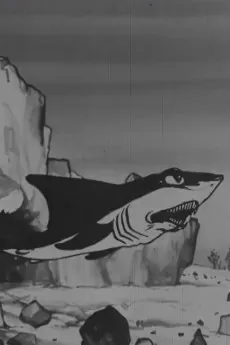
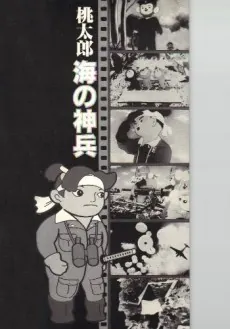
Momotaro, the Peach Boy of Japanese folklore, commands a squadron of airborne troops in this black and white wartime film. After a rest in their villages near Mt. Fuji, a monkey, a dog, a pheasant and a bear head south, and the squadron flies to Onigashima, where parachutes fill the sky and a quick, successful raid takes the island. The story draws on a surprise paratrooper maneuver on Sulawesi and echoes the government's claim of the time that Japan was liberating Asia. Musical interludes break up the action, among them a song in which Japanese soldiers teach local animals to talk. Back home, village children play at parachuting as they run toward Mt. Fuji.