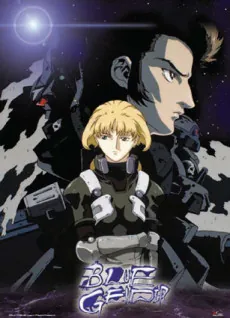
The first episode burns so hard it feels like a statement of intent, then the show actually commits to building characters instead of just cycling through combat setpieces. Test pilots, people running experimental frames they know might kill them, are forced to confront what survival actually costs in a war that stopped feeling winnable decades ago. The tonal whiplash between lighter episodes and the suffocating weight of the setting is real, but what stays is how thoroughly it trusts you to care about people nobody promised would make it home.
Humanity has been losing a war for nearly three decades. In 1973, an alien species called BETA invaded Earth, killing billions and forcing mankind to build giant humanoid machines called Tactical Surface Fighters just to slow the losses. By 2001, most of Eurasia has fallen. That year, the UN proposes a joint program between Imperial Japan and the United States to create a next-generation TSF, and elite pilots from many nations gather at Yukon, a UN base in Alaska, to test the prototypes. Yui Takamura of the Imperial Royal Guard is put in charge of the effort, while Yuuya Bridges, a Japanese-American test pilot from the US Army, is sent to the same base. Working in an international team amid political tensions, the two have no idea how deeply their meeting will change their lives. The result is mecha action and sci-fi built around the race to develop humanity's most vital weapon.
WHERE TO WATCH
Streaming Muv-Luv Alternative: Total Eclipse legally, as of the last catalog refresh. Availability changes by region.
Crunchyroll