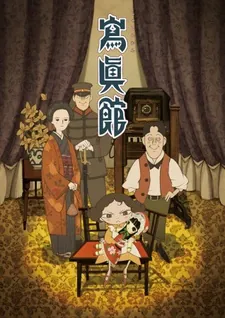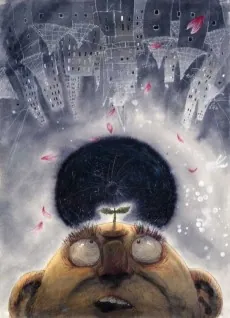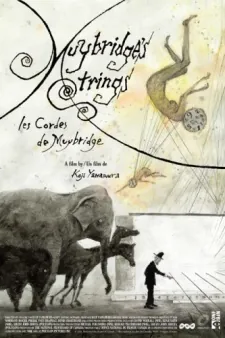
A photographer tries to freeze time. A mother tries to hold onto her child. The film moves between them like a thought that won't settle, using paint and motion in ways that feel less like animation and more like watching someone's memory come alive on screen. Kazuo Yamamura builds something that doesn't argue about its themes, it just lets them breathe across a century of still frames trying to move. The pacing will lose people looking for momentum. Everyone else will discover what happens when you give animation permission to think.
Photographer Eadweard Muybridge and a Japanese mother are the two figures at the center of this short animated drama, and their destinies meet and clash in a poetic way. The film is a reflection on the stubborn human wish to make time stand still. Oscar-nominated animator Yamamura Kouji directed the 14-minute piece as a co-production between NHK and the National Film Board of Canada. It premiered at the Cannes Film Market in 2011.