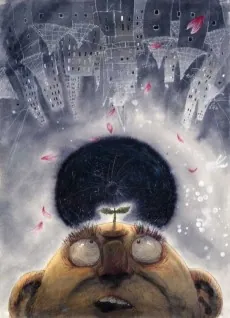
A doctor arrives at a bedside and realizes he has no idea what he's looking at, no idea how to help, and no way out. The animation doesn't explain anything for you, it just watches him fail with the kind of painterly precision that makes his helplessness beautiful and unbearable. Kafka wrote about the paralysis of existing in a system designed to humiliate you, and this adaptation doesn't soften that into a metaphor; it just lets you sit in the doctor's skin while everything closes in.
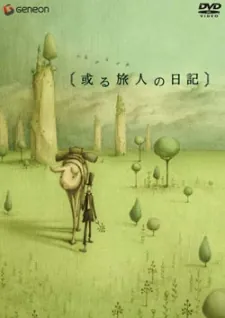
A luckless country doctor recounts, in a rush of urgency, being called out at night to see a young patient. The journey turns surreal when otherworldly horses carry him to the sickbed in an instant. Distracted by his own concerns and by grudges against the people he serves, he misses what turns out to be a terrible, deadly wound. The villagers, who always expect the impossible of their doctor, humiliate him, and he is left facing a journey home that never ends, losing everything along the way. Koji Yamamura directs this short psychological drama, adapted from Franz Kafka's 1919 story of the same name.