
Anime Like Natural History
Hakubutsushi
博物誌
MOVIE · 1 eps · 2 min/ep · Original · G - All Ages
AniList 41/100 · MAL 4.78/10 · Ranked #14,772 · 1,022 members
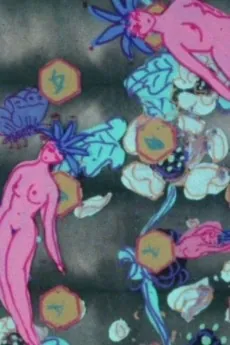
Hideki Yamamura stops you cold with clay creatures that aren't quite alive and aren't quite dead, moving under transmitted light like something medieval manuscripts were afraid to name. The soundtrack arrives like a funeral bell rung from inside your own chest. Barely five minutes long. You don't understand what you've watched. You never stop thinking about it.
Natural History is a short animated film by Yamamura Kouji. Working with clay on a backlit stand, he draws the creatures of medieval Europe and lets them change shape from one form into the next. The piece draws its inspiration from two works: Ish Patel's After Life and Pliny's Natural History.
// WATCH.NEXT
IF YOU LOVED NATURAL HISTORY, WATCH THESE NEXT


not sure what you're in the mood for? browse 40 house lineups.


