
Anime Like Nezumi no Rusuban
鼠の留守番
MOVIE · 1 eps · 1 min/ep · Original · G - All Ages
AniList 38/100 · MAL 4.47/10 · Ranked #15,012 · 1,488 members
Music
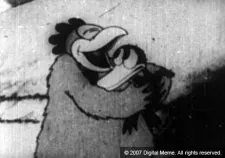
Nobody talks about this one. A 1931 music short where nothing happens except the exact thing that needs to happen, a rat alone, a piano, time moving differently when sound fills it. Silent cinema trained us to watch gesture and shadow; Nezumi no Rusuban trains you to listen to what quiet actually means. By the end you realize the entire film was about one impossible moment of peace, and you've been holding your breath through all of it.
Nezumi no Rusuban is a short animated film from 1931 with a musical focus. As a brief early work, it may appeal to viewers curious about animation from the early 1930s.
TAGS
AchromaticAnimals
// WATCH.NEXT
IF YOU LOVED NEZUMI NO RUSUBAN, WATCH THESE NEXT






not sure what you're in the mood for? browse 40 house lineups.


