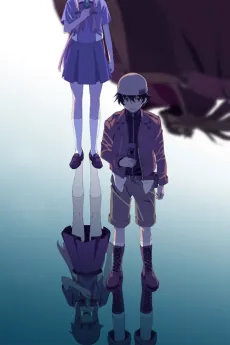
Nobody talks about this one. Two researchers chase a ghost, the Lost Code, the genetic blueprint that might let Earth live again, while shepherding a creature that shouldn't exist across dead worlds and dying colonies. The show builds its desperation quietly, less apocalypse-porn and more the grinding weight of knowing you're probably the last people who care, that restoring a planet is just another job when you're too far from home to remember what home looked like. Pikaia itself is the emotional anchor; a small, fragile thing that makes the vast failure of human civilization feel personal. By the end, you're not rooting for Earth to come back. You're rooting for Vince and Hana to stop pretending the Lost Code matters and just sit down.
Humanity has abandoned Earth. In the distant future, the planet can no longer support living things, and people have moved out into space colonies. Vince and Hana are researchers working on the Cambrian Project. With a creature called Pikaia at their side, they search for the Lost Code, which holds the key to bringing Earth back, and they hope to travel back to the Earth of the Cambrian era. The show is a short-format drama with slice-of-life elements.